
Managing moderate physical discomfort requires clear knowledge about oral therapeutic options. Patients recovering from dental procedures, traumatic injuries, or surgical operations frequently seek dependable relief options. Among widely prescribed combination drugs, tylenol codeine serves as a reliable dual-action oral therapeutic option for short-term recovery plans.
Navigating prescription pain medications demands accurate information regarding active components, administrative guidelines, and essential safety protocols. Understanding how specific analgesics interact within the human nervous system empowers individuals to make informed choices during recovery. Learn more about pharmaceutical standards at Trusted Meds Store.
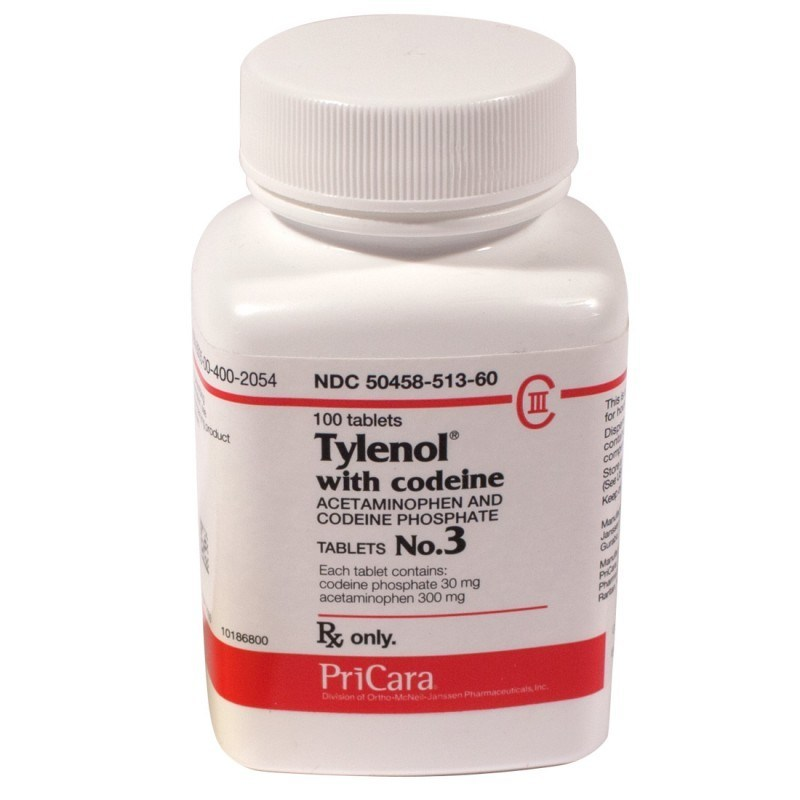
Understanding Tylenol Codeine 300/30mg Composition
This specific therapeutic formulation integrates two distinct pharmacological agents working synergistically to block pain pathways. Each oral tablet combines 300 milligrams of acetaminophen with 30 milligrams of codeine phosphate. Pharmacologists classify codeine as an opioid painkiller that modifies sensory perception of pain within the central nervous system.
Acetaminophen operates primarily by inhibiting central prostaglandin synthesis, raising overall pain thresholds throughout physical tissue. Meanwhile, codeine binds directly to mu-opioid receptors within neural networks, dampening incoming discomfort signals. Combining these two elements provides superior systemic relief compared to single-agent administration.
According to comprehensive drug monographs hosted on MedlinePlus, dual-mechanism analgesics allow clinical practitioners to optimize individual pain relief protocols while minimizing higher doses of isolated opioid compounds.
Primary Uses and Therapeutic Benefits
Physicians regularly select tylenol codeine formulations when standard over-the-counter anti-inflammatory agents fall short of patient needs. The primary clinical indications focus on temporary, acute recovery periods rather than indefinite chronic treatment plans.
- Post-surgical recovery following outpatient procedures
- Orthopedic injury recovery including fractures and joint sprains
- Acute dental extraction procedures and oral tissue reconstruction
- Short-term relief from acute musculoskeletal back trauma
By dampening sharp pain responses, this formulation supports restful physical recovery, enabling patients to rest comfortably during early tissue repair phases.
Recommended Adult Dosage and Protocol
Strict adherence to official medical administration guidelines guarantees optimal relief while protecting liver health and systemic function. The standard adult dosage involves taking one or two oral tablets every four to six hours as directed by a healthcare professional.
| Parameters | Clinical Specifications |
|---|---|
| Standard Single Dose | 1 to 2 tablets (300mg/30mg strength) |
| Administration Frequency | Every 4 to 6 hours as needed |
| Maximum Daily Acetaminophen Limit | 4,000 milligrams total from all sources |
| Treatment Duration Target | Short-term use (typically 3 to 7 days) |
Swallow each dose with a full glass of water. Patients experiencing mild stomach sensitivity find taking medication alongside meals or milk minimizes gastrointestinal upset. Detailed prescribing parameters on the Mayo Clinic Drug Guide emphasize avoiding additional products containing acetaminophen to prevent cumulative hepatic stress.

Crucial Safety Precautions and Legal Requirements
Because codeine carries potential risks of dependency and respiratory depression, a formal prescription needed designation governs distribution. Licensed healthcare professionals evaluate complete medical histories prior to prescribing opioid-based therapy.
Individuals managing specific health conditions must exercise heightened vigilance. Patients with preexisting respiratory impairment, severe asthma, hepatic dysfunction, or kidney disorders require specialized clinical oversight before beginning treatment.
Combining prescription opioids with alcohol, sedatives, or muscle relaxants introduces severe health risks, including extreme drowsiness and dangerous reductions in breathing rates. Responsible storage in a secure place prevents accidental access by children or household members.
Managing Potential Side Effects and Interactions
While most individuals tolerate short-term therapy well, recognizing potential secondary responses ensures timely medical adjustment. Standard side effects include mild drowsiness, lightheadedness, nausea, or constipation.
Maintaining adequate fluid consumption alongside dietary fiber helps prevent digestive sluggishness during active therapy. If severe dizziness or persistent nausea occurs, contact your prescribing physician promptly for guidance. Reviewing common queries on our FAQs page provides additional clarity regarding general medication safety.
Secure Access to Medications via Trusted Meds Store
Reliable source verification remains essential when obtaining specialized healthcare products online. Quality assurance standards safeguard purity, accurate dosing, and authentic manufacturing source tracking for every patient.
Exploring our comprehensive catalog on the Shop portal connects shoppers directly to authentic medical products, wellness remedies, and specialty solutions. Our dedicated team prioritizes discrete delivery, secure transaction handling, and exceptional customer assistance at every step of your health journey.