

Achieving dependable relief from persistent discomfort stands as a primary medical priority for millions of individuals worldwide. Whether addressing acute physical injury, post-surgical healing, or ongoing physical discomfort, selecting appropriate painkillers requires clear guidance and clinical accuracy. Modern pharmaceutical science offers diverse options designed to target specific nervous system pathways. Understanding how different pharmaceutical compounds function within human physiology allows patients to make informed choices for physical wellness.
Trusted Meds Store operates as a reliable digital provider of high quality pharmaceuticals and wellness solutions. Patients seeking authentic pain meds receive access to verified manufacturers, discreet shipping methods, and dependable customer assistance. This guide examines essential classifications of analgesic treatments, key safety protocols, and safe procedures for purchasing medications online.
Understanding Pain Relief Options and Analgesic Categories
Human pain manifests through complex neurological signals transmitted from peripheral tissue damage directly to the central nervous system. Painkillers interrupt these distinct neural pathways to reduce sensation and promote physical recovery. Medical professionals divide these therapeutic formulations into specific categories based on potency, mechanism of action, and intended clinical outcome.
Over-the-counter formulations, commonly referred to as OTC remedies, serve as the first line of defense against mild or moderate physical aches. Non-opioid agents including acetaminophen alter pain signal processing in the brain. Meanwhile, non-steroidal anti-inflammatory drugs like ibuprofen or naproxen target localized swelling by inhibiting inflammatory enzymes. These non-prescription choices provide targeted comfort for daily headaches, fever, and minor muscular sprains.
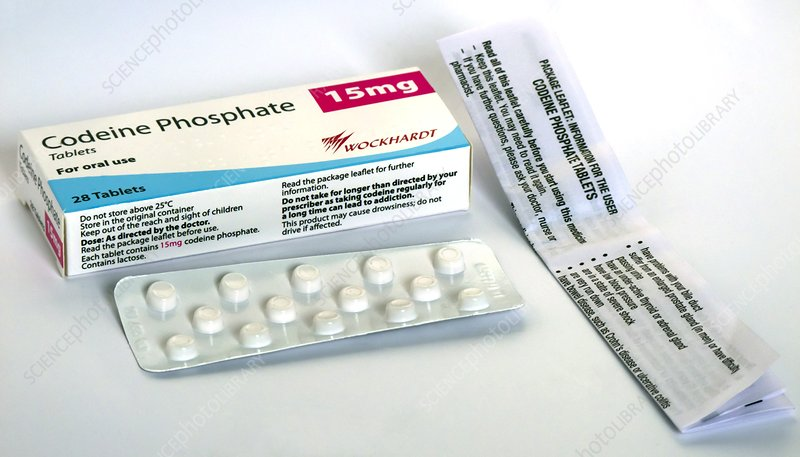
Severe or long-term discomfort demands specialized treatment protocols. Complex medical conditions require targeted prescription compounds engineered to manage intense physical distress. Formulations such as codeine or stronger opioid formulations bind to specific receptors in the brain to block severe discomfort signals. Patients managing complex recovery protocols rely on these specialized therapeutic options under structured clinical oversight.

Key Differences Between OTC and Prescription Pain Meds
Evaluating whether to choose non-prescription formulations or physician-directed treatments requires understanding key clinical differences. Non-prescription OTC items address short-term, low-intensity discomfort with minimal risk of habit formation. These compounds function effectively for sudden tissue swelling, minor dental soreness, or general body aches.
In contrast, targeted chronic pain conditions demand individual clinical assessment and higher potency medications. Physician-supervised treatment protocols utilize controlled pain medication to manage severe neurological or musculoskeletal issues. The table below outlines fundamental distinctions between common treatment categories:
| Category | Primary Mechanism | Typical Indications | Care Level |
|---|---|---|---|
| Non-Opioid Analgesics | Inhibits central pain signals | Mild headaches, fever reduction | Over-the-counter access |
| Anti-Inflammatory Drugs | Reduces peripheral swelling | Muscle sprains, joint stiffness | Non-prescription / Prescription |
| Opioid Formulations | Binds to central nervous receptors | Post-surgical recovery, severe injury | Strict clinical supervision |
| Specialized Compounds | Modulates nerve signal transmission | Neuropathic pain, persistent stiffness | Medical consultation required |
Categorizing Pain Medications for Specific Medical Conditions
Different physical conditions respond best to specific pharmacological approaches. Individuals recovering from surgical procedures need rapid, potent pain control to facilitate mobility and healing. In these clinical scenarios, short-term usage of strong opioid analgesics offers immediate comfort during critical recovery windows.
Conversely, long-term conditions like osteoarthritis require sustained anti-inflammatory management. Patients handling persistent joint pain benefit from steady non-steroidal treatments combined with structured physical movement. Official healthcare resources such as the Centers for Disease Control and Prevention pain management guidelines offer detailed evidence-based strategies for maintaining daily functional strength while minimizing drug tolerance risks.
Research from global health institutions including the World Health Organization guidance on analgesics highlights the utility of progressive treatment ladders. Patients starting with mild non-opioid choices gradually adjust treatment intensity only when clinically necessary, preserving long-term treatment efficiency.
Essential Safety Guidelines for Managing Chronic Pain
Managing persistent discomfort demands consistent safety precautions and precise dosage adherence. Patients using long-term chronic pain therapies must monitor daily intake to prevent accidental overuse or unwanted side effects. Combining multiple medications without professional review increases toxicity risks.
Key safety steps for daily therapeutic management include:
- Following exact dosage schedules established by qualified medical professionals
- Avoiding concurrent consumption of alcohol or sedative substances
- Storing medications securely in original packaging away from heat and moisture
- Monitoring body responses and reporting unexpected reactions promptly
- Scheduling periodic clinical evaluations to adjust dosage levels appropriately

Why Sourcing Painkillers Online Requires Verified Authentication
Digital pharmacy options offer unparalleled convenience for individuals facing physical limitations or busy schedules. Ordering painkillers online eliminates travel stress while ensuring consistent access to essential medical supplies. However, selecting a reputable, verified supplier remains paramount for safety.
Trusted Meds Store delivers authentic pharmaceutical formulations sourced directly from licensed manufacturing partners. Patients purchasing through our platform receive high-grade products meeting rigorous quality benchmarks. Every order undergoes careful inspection before dispatch, ensuring accurate dosages and uncompromised purity. Buyers looking to explore verified health products can visit our official Shop section today.
Integrity and transparency form the core of our organization. Readers seeking to verify company credentials and quality standards can read more on our About us page. We prioritize customer security through encrypted transactions and complete package privacy.
Streamlined Ordering, Privacy Protocols, and Delivery Standards
Acquiring daily health supplies online should remain smooth and secure. Trusted Meds Store utilizes advanced security systems to safeguard user data during every step of the checkout process. Packages arrive in plain, unmarked wrapping to maintain absolute personal privacy.
Our logistics team processes shipments rapidly to minimize waiting times. Detailed information regarding dispatch schedules, international delivery options, and tracking procedures appears clearly on our Shipping Policy page. Should buyers have routine queries regarding order tracking or checkout methods, our informative Frequently Asked Questions page provides immediate answers.
Prioritizing health and physical comfort begins with reliable information and access to verified products. By selecting tested analgesic formulations and adhering to safe usage practices, patients regain physical comfort and daily vitality. Explore our selection today and experience professional service tailored to personal wellness needs.