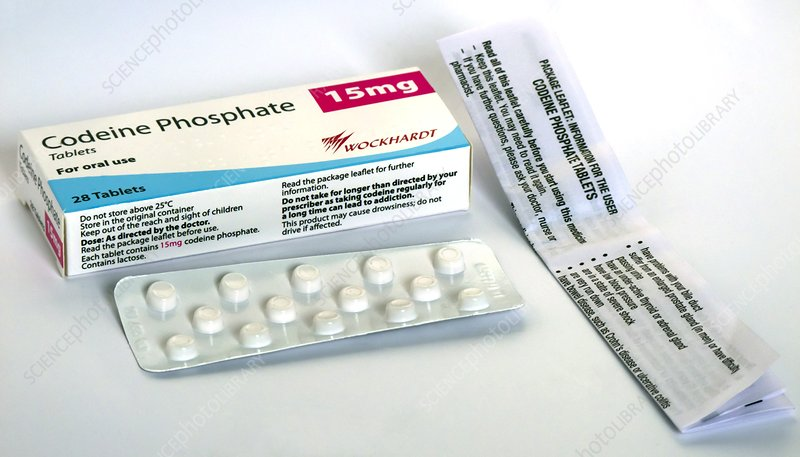


Proper pain management demands precise clinical data and clear dosage protocols. Healthcare professionals rely on established reference frameworks to direct patient treatments safely. Understanding the codeine bnf framework ensures accurate administration while minimizing clinical risks. The British National Formulary provides clear medication standards for oral analgesics across diverse treatment plans.
Patients recovering from surgical procedures or acute trauma require structured relief solutions. Similarly, individuals struggling with chronic discomfort require consistent clinical support. Reference to official standards guarantees safe use throughout every phase of therapy. Anyone seeking detailed medication information finds clarity through structured medical references.
British National Formulary Clinical Data and Core Dosage Standards
The British National Formulary establishes specific dosing intervals for mild to moderate pain relief. Standard adult oral dosages range from 30 mg to 60 mg every four to six hours. Clinicians cap total daily exposure at 240 mg to mitigate severe side effects. Adherence to these strict parameters prevents severe complications and accidental toxicity.
Official publications such as the NICE BNF Guidelines outline exact recommendations for varied patient requirements. Prescribers adjust quantities according to age, renal function, and concurrent therapies. Following these established standards maintains therapeutic efficacy while protecting organ health.
| Patient Category | Standard Dosage | Maximum Daily Limit | Administration Frequency |
|---|---|---|---|
| Adult Acute Pain | 30 mg to 60 mg | 240 mg | Every 4 to 6 hours |
| Elderly Patients | 15 mg to 30 mg | 120 mg | Every 6 to 8 hours |
| Pediatric (Age 12-17) | 30 mg to 60 mg | 240 mg | Every 6 hours as needed |
Managing Acute Pain and Post-Surgical Recovery Responsibly
Acute physical trauma requires prompt, structured therapeutic intervention. Surgery recovery protocols often incorporate mild opioid analgesics to facilitate physical rehabilitation. Patients using remedies listed in our Shop section benefit from understanding these official dosing guidelines. Safe recovery relies on adhering strictly to professional medical directives.
Short-term usage remains the safest approach for post-operative recovery. Extended consumption raises tolerance levels, increasing dependency risks over prolonged timeframes. Medical authorities emphasize restricting acute prescriptions to short durations whenever possible.
Crucial Clinical Safety Directive: Always verify dosage adjustments when combining treatments. Never exceed the recommended 240 mg daily limit without direct medical supervision.
Codeine Prescribing Info for Chronic Pain and Long-Term Considerations
Managing persistent discomfort requires careful evaluation of long-term health outcomes. Chronic pain sufferers often explore multifaceted options to maintain daily functionality. Reviewing official health updates from the NHS Codeine Safety Guide clarifies potential side effects like constipation, nausea, and sedation.
Individuals experiencing ongoing pain should consult healthcare professionals regularly. Sudden cessation following long treatment cycles leads to withdrawal symptoms. Gradual tapering schedules minimize physiological discomfort during treatment completion.
Patient Safety Protocols, Contraindications, and Interactions
Patient safety protocols dictate strict contraindications for specific medical conditions. Individuals with severe respiratory depression or acute asthma must avoid opioid therapies completely. Furthermore, ultra-fast CYP2D6 metabolizers face heightened risks of opioid toxicity even at standard doses.
Careful evaluation prevents adverse drug interactions with central nervous system depressants. Combining opioids with alcohol, benzodiazepines, or sedatives drastically increases sedation risks. Open communication between patients and pharmacists secures positive treatment results.
- Avoid concurrent consumption of alcohol or sedative medications.
- Monitor respiratory rate regularly during early dosage adjustments.
- Store medications securely away from children and unauthorized individuals.
- Review pre-existing liver or kidney conditions before commencing therapy.
Essential Guidance for Specific Health Conditions and Demographics
Different demographic groups require custom dosage considerations for optimal safety. Elderly patients exhibit heightened sensitivity to active pharmaceutical ingredients. Reduced metabolic clearance rates necessitate lower starting doses and extended dosing intervals.
Men addressing age-related health changes or individuals monitoring wellness trends should maintain full awareness of all active medications. Clear guidance reduces accidental misuse across all demographics. Visitors seeking general information regarding service policies can review our FAQs page for further clarity.
Quality Pharmaceutical Sourcing at Trusted Meds Store
Accessing reliable medications remains vital for effective health management. At Trusted Meds Store, our priority centers on providing access to authentic pharmaceutical products from reputable manufacturers. We deliver discreet, secure, and customer-focused service to support your personal wellness journey.
Whether managing persistent discomfort or exploring broad healthcare solutions, reliable guidance remains essential. Learn more regarding our commitment to clinical standards by visiting our About us page or reaching out via our Contact us portal today.