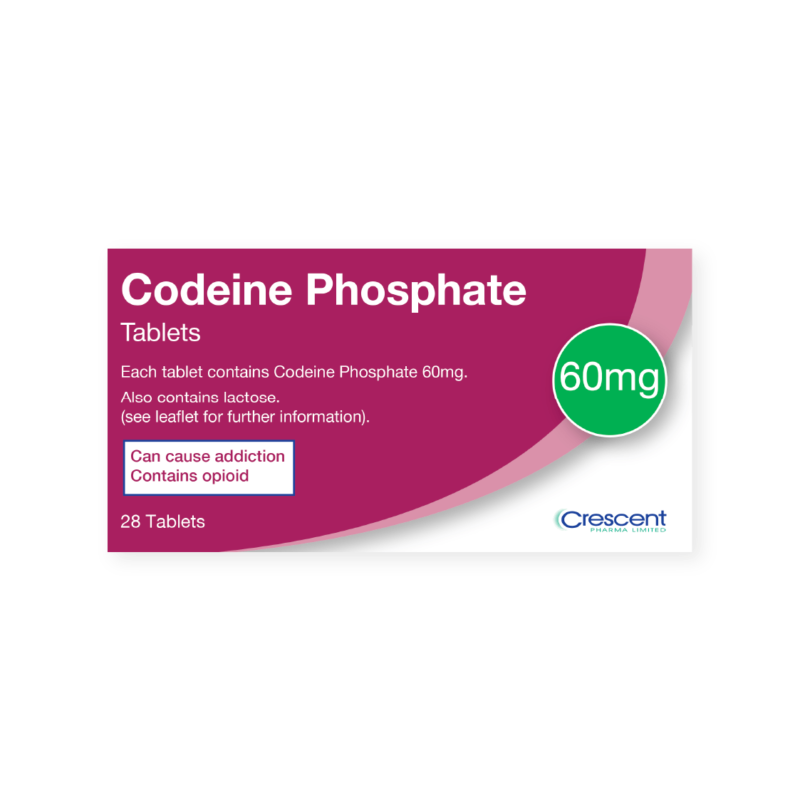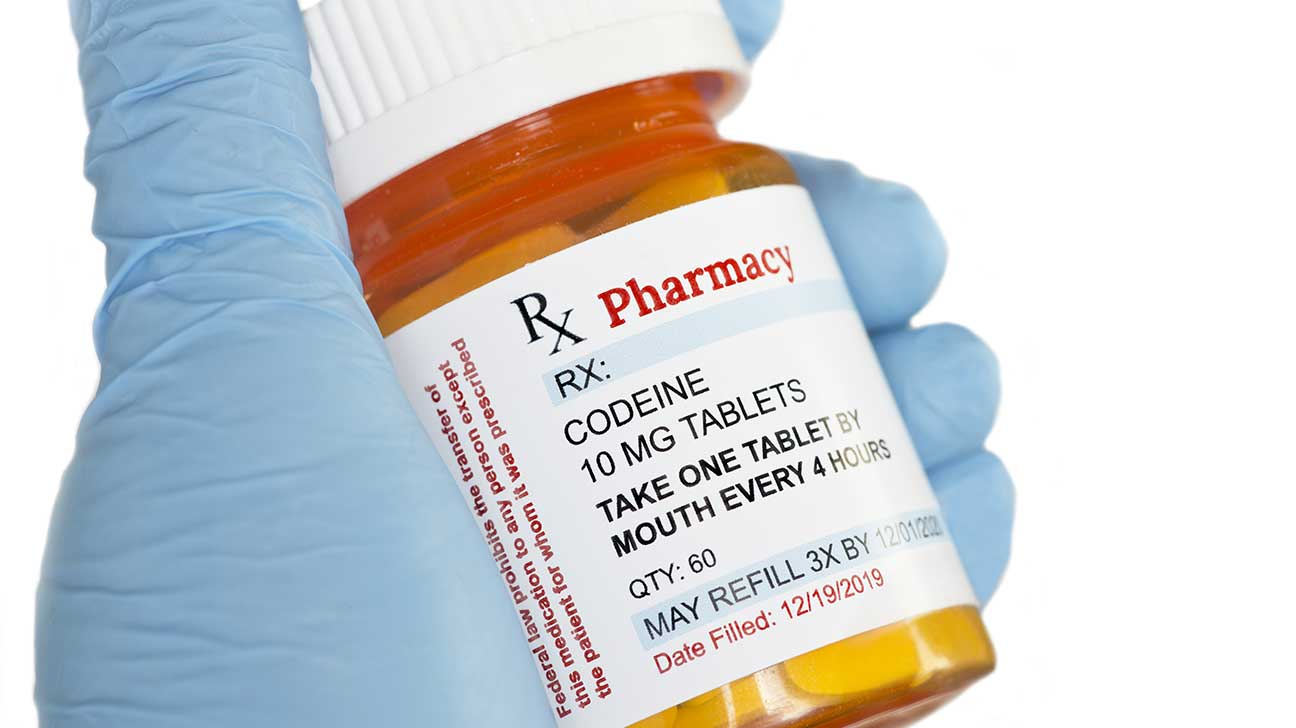


Patients managing acute physical discomfort, surgical recovery, or persistent coughing frequently receive prescription opioid therapy. Understanding the side effects of codeine remains vital for maintaining personal safety while achieving therapeutic comfort. Trusted Meds Store delivers high-quality pharmaceutical choices from accredited manufacturers, enabling individuals to make educated healthcare decisions.
Opioid medications alter central nervous system signals, reducing pain perception effectively. However, biological responses vary across individuals. Responsible usage requires clear awareness regarding potential physical responses, standard dosing guidelines, and individual risk factors.
Understanding How Codeine Affects Your Body
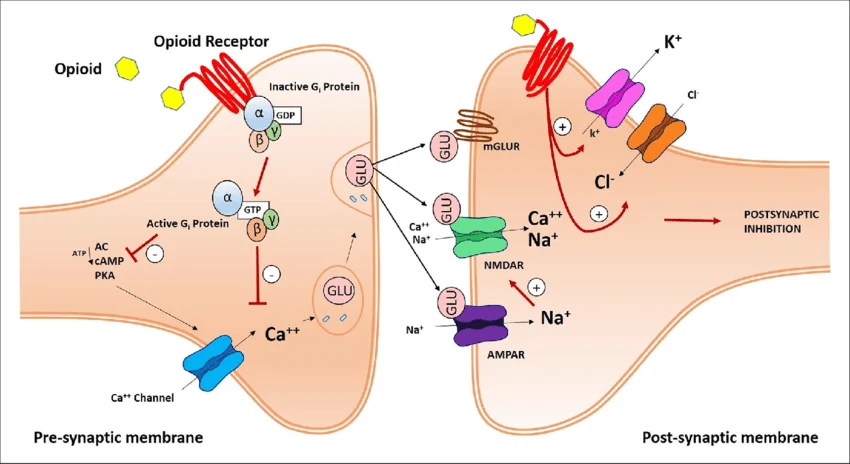
Codeine functions as a selective opioid receptor agonist within the brain and spinal cord. Once ingested, hepatic enzymes convert the active compound into morphine, which blocks pain transmission pathways. This conversion process directly influences overall medication potency and individual tolerability.
Genetic factors cause people to metabolize opioids at distinct speeds. Rapid metabolizers experience pronounced physiological shifts, while slower metabolizers experience milder effects. Reviewing reliable MedlinePlus Codeine Patient Information helps patients identify expected metabolic responses.
Common Side Effects of Codeine and Initial Symptoms
Most individuals encounter mild temporary symptoms when starting treatment. Recognizing these common manifestations allows users to respond appropriately without unnecessary anxiety.
- Gastrointestinal discomfort: Sluggish bowel motility leading to mild constipation or stomach cramping.
- Nausea and vomiting: Direct stimulation of the chemoreceptor trigger zone inside the brainstem.
- Dizziness and lightheadedness: Transient blood pressure reductions during sudden posture changes.
- Drowsiness or sedation: Mild depression of central alertness creating restful sensations.
- Dry mouth: Reduced salivary gland output requiring frequent hydration.
The table below provides a structured overview of typical physical reactions alongside recommended management practices:
| Symptom | Primary Cause | Actionable Management |
|---|---|---|
| Nausea | Gastric irritation and central nervous activation | Take doses alongside light meals or crackers |
| Dizziness | Postural hypotension upon standing | Rise slowly from seated or lying positions |
| Constipation | Decreased intestinal smooth muscle motility | Increase dietary fiber intake and water consumption |
| Sedation | Central nervous system inhibition | Avoid driving or operating heavy machinery |
Severe Adverse Reactions and Critical Warning Signs
While mild responses remain common, severe adverse reactions require immediate clinical attention. Recognizing critical warning signs protects individuals against accidental toxicity or severe physiological distress.
Respiratory depression represents the most significant safety hazard associated with opioid administration. Exceptionally shallow breathing, extreme lethargy, confusion, or bluish discoloration around lips demands urgent medical assistance. Reviewing official CDC Opioid Patient Guidelines offers invaluable context regarding safe usage thresholds.

Proactive Strategies for Managing Nausea and Dizziness
Managing comfortable recovery involves simple lifestyle modifications. Patients frequently minimize distress by adhering to structured daily protocols.
Practical Patient Guidelines:
- Dosing with Food: Ingesting medication alongside bread, rice, or oatmeal significantly reduces stomach lining irritation.
- Hydration Maintenance: Sipping water continuously throughout the day helps mitigate dizziness and supports renal filtration.
- Postural Awareness: Pausing briefly on the edge of a bed before standing prevents sudden drops in blood pressure.
- Avoiding Alcohol: Combining alcohol with prescription opioids dramatically increases sedative effects and respiratory dangers.
Detailed FAQs regarding proper storage, dosing times, and drug interactions help maintain overall safety during treatment schedules.
Long-Term Usage Considerations and Medication Safety Protocols
Extended opioid administration creates physiological tolerance, meaning body systems gradually adapt to specific dosages over time. Unmonitored dose increases heighten risk profiles without providing proportional pain relief.
Maintaining transparent communication with licensed medical professionals ensures optimal safety. Periodic clinical assessments help determine whether treatment protocols require adjustments, dose tapering, or alternate therapies. Reference FDA Drug Safety Updates for standard regulatory guidance regarding pain medications.
Sourcing Quality Healthcare Products Safely
Securing genuine pharmaceuticals remains essential for effective health management. Counterfeit formulations pose grave dangers due to unpredictable strength and illegal additives.
Explore our complete catalog in the Shop section to find authentic, lab-tested options. Every product comes sourced exclusively from established manufacturers, ensuring consistent purity and reliable safety standards for every client.